
February 25, 1945
Silver Star

“Dear Mother and Dad,
Your son is now a first lieutenant. I have also been awarded the Silver Star decoration. I found out last night at the officers’ party and was very surprised at the Silver Star, as it is such a high award. Still don’t see how I got it. My promotion is effective as of 18 February. Things all seem to break at once.
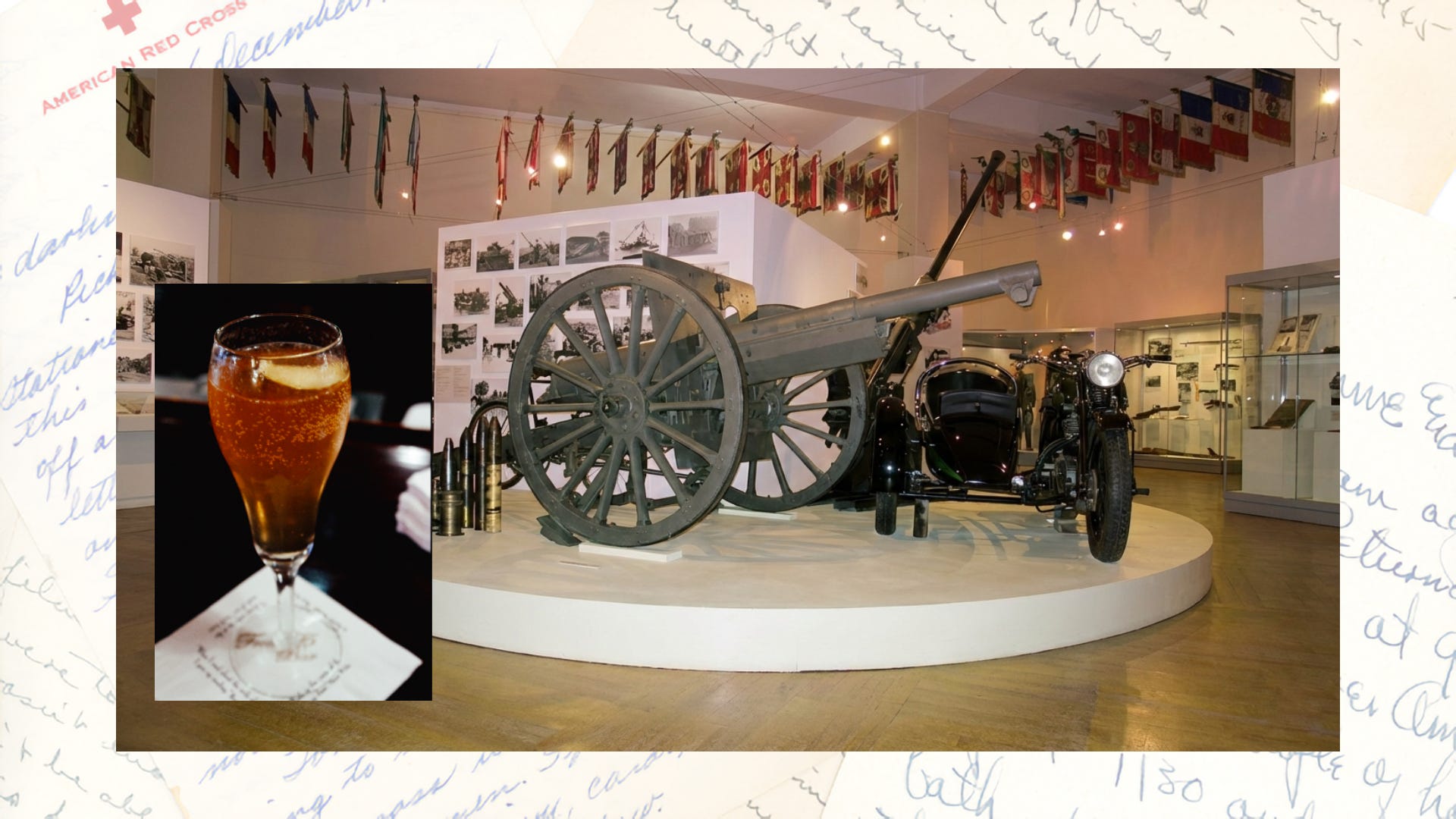
It was a fun party with beer, champagne, and cognac, as well as a mixture of the two called a French 75, named after the famous artillery piece.”
The Silver Star citation tells the rest of the story.
Second Lieutenant John C. Wilson, Jr., for distinguishing himself by gallantry in action on 23 January 1945 in the area of Diedenberg, Belgium.
Although wounded in the initial phase of the attack, 2nd Lt. Wilson remained in command of his Company and led it successfully in seizing its objectives. By staying in the vanguard of his forces, although in great pain, Lt. Wilson prevented the dangerous delay that a shift in command would have caused. His outstanding courage and able leadership contributed to the success of his unit’s operations and are worthy of the highest praise.
That’s the official language. Here’s what it looked like on the ground.
On the morning of January 23, 1945, Task Force Wemple moved out of the Diedenberg assembly area to begin the final push to retake Saint Vith. My father was commanding Company A. Infantry rode on the tanks. The roads were narrow trails, and the snow had turned to mud.
Years later, in 1995, he finally described what those moments were like.
Thirty minutes before the attack, he had assembled all his officers behind his tank to discuss the assault plan. When German artillery came in, everyone scrambled for cover under the tank. My father turned and dove behind a captured 88mm gun a few feet away. A shell exploded, and shrapnel tore through his snowsuit and combat jacket into his arm. He got up and finished the briefing.
At H-hour, he mounted his tank and led Company A into the attack. They fought for five hours. When it was over, seven abandoned German 88mm guns had been captured along with dozens of prisoners, and the assault positions for the retaking of Saint Vith were secured. After dark, he turned command over to his executive officer and walked two kilometers through the snow to the aid station. Bodies were stacked like cordwood outside the door.
That was what the Silver Star was for. Not one moment of heroism, but five hours of leading men in combat with shrapnel in his arm because the alternative was worse. A change in command in the middle of an assault could cost lives. He knew that. So he stayed.
Over 100,000 Silver Stars were awarded during the Second World War. The 7th Armored Division received 351 of them. My father was one.
He never talked about it as something he had earned. “I still don’t know how I got it,” he wrote. In the same letter, he mentioned he had received a new tank with a 76mm gun, far superior to the old 75mm. “I hope I don’t have to use it,” he wrote. “It sounds a lot like wishful thinking, eh?”
His driver, Charlie Dudley, received the Bronze Star for the same engagement. My father asked his parents to drop Dudley a line, as he would appreciate it. That was the kind of officer he was. He thought about his men before he thought about himself.
Four days earlier, on February 21, he had sent home a snapshot of himself with two fellow officers, Lieutenants Del Thortan and Rufus Hanson. The men in the company had dubbed the photo “the Big Three.” Both Del and Rufus had been staff sergeants who received battlefield commissions. Rufus received his on Christmas Day. He was killed a week later.
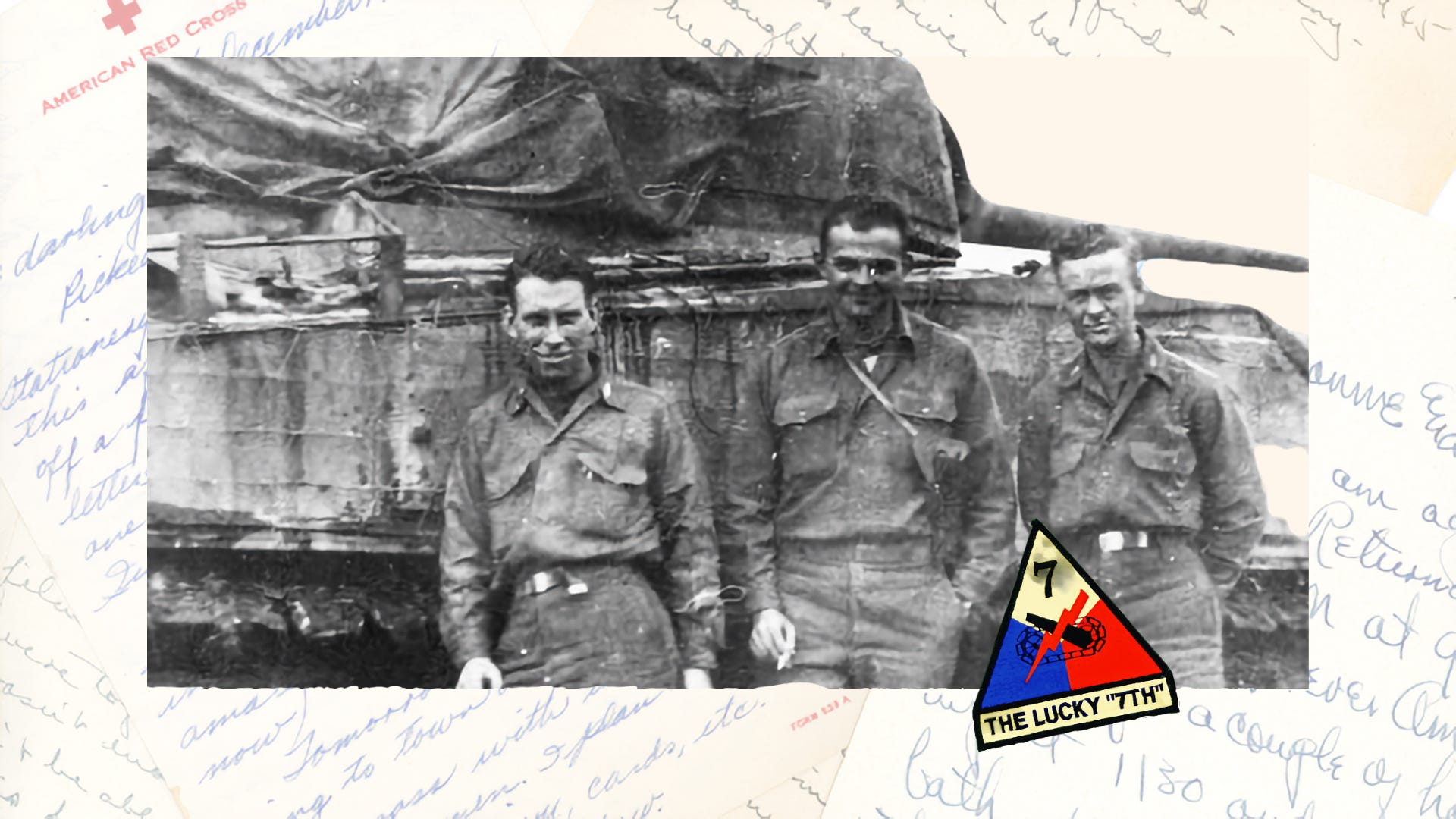
My father mentioned it in one sentence and moved on.
That was the war. Promotions and losses in the same week. A Silver Star and a photograph of three young officers, one of them already gone. You carried all of it, and you kept going.
The 7th Armored Division was about to move east. The Rhine was waiting.
What stories did your family carry home from the war?
The full story: Jack’s Story on Amazon